Science taught me how to look.
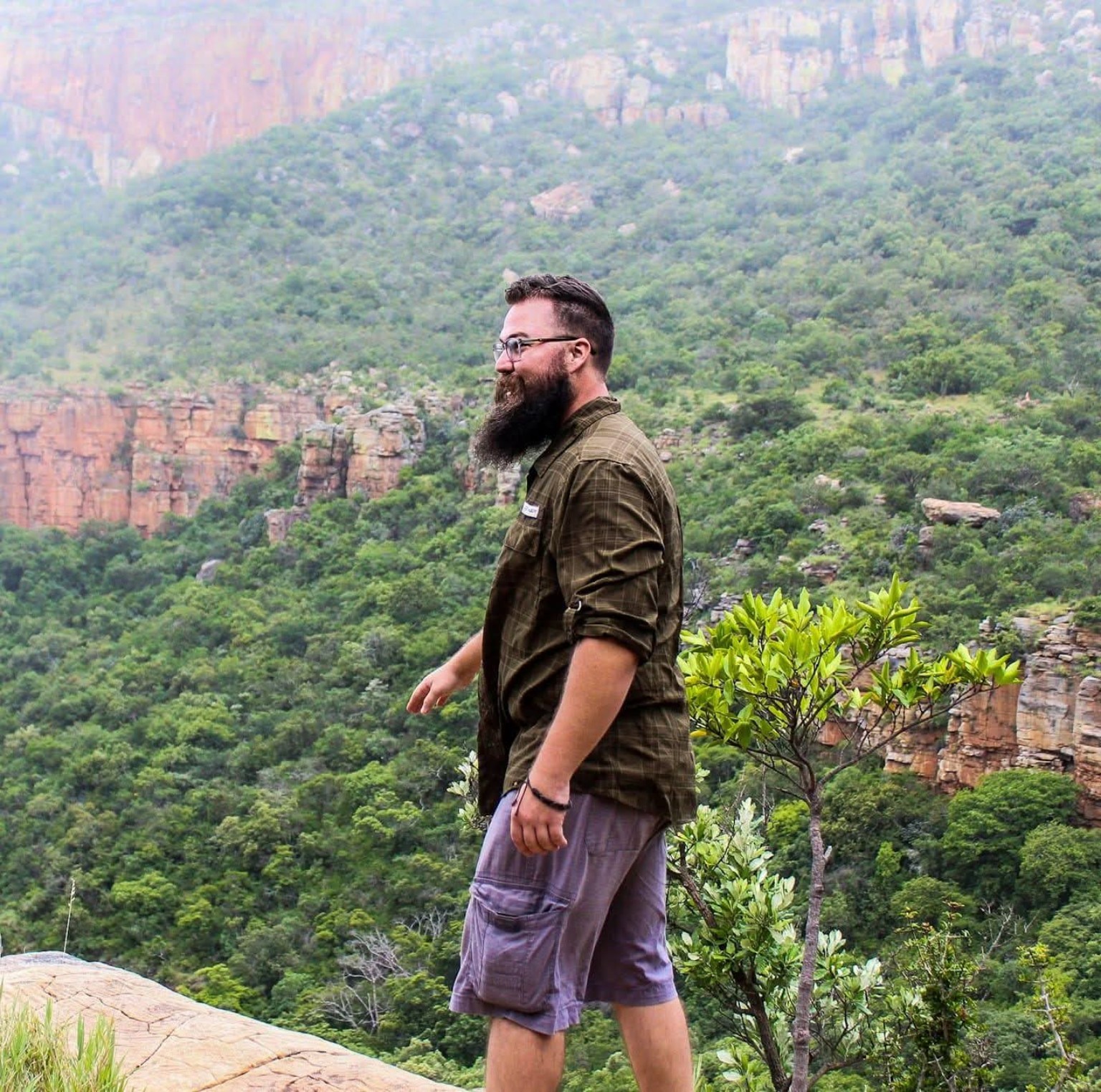
I’m a wildlife photographer and conservation ecologist. For the past decade, both sides of my work have been shaped by southern Africa, especially the Greater Kruger Ecosystem in South Africa.
I had always been curious about photography, but when I first brought a camera into the field in Africa, the purpose was simple: I wanted to send home pieces of a place I loved to friends and family who might never have the chance to stand there themselves. I hoped that if I could show them even a little of what made these animals and landscapes extraordinary, they might care a little more about our wild lives and wild places.
My Ph.D. research at the University of Wyoming grew from many of those same landscapes. I studied how elephants, rodents, antelope, rainfall, vegetation, and people influence the future of the savanna, with much of my work centered on the decline and regeneration of marula trees.
Science taught me to slow down: to watch behavior, notice small details, ask why an animal is doing what it is doing, and understand that no species exists apart from the landscape and community around it. Photography asks many of the same things of me. The camera gives me another way to pay attention.
Thinking Wild Photo grew from the overlap between those two ways of seeing. I want the photographs to do more than document that an animal was there. I want them to carry some of the awe, individuality, texture, and presence that make time with wildlife unforgettable—and, perhaps, give someone one more reason to care about keeping wild lives and wild places in the world.